
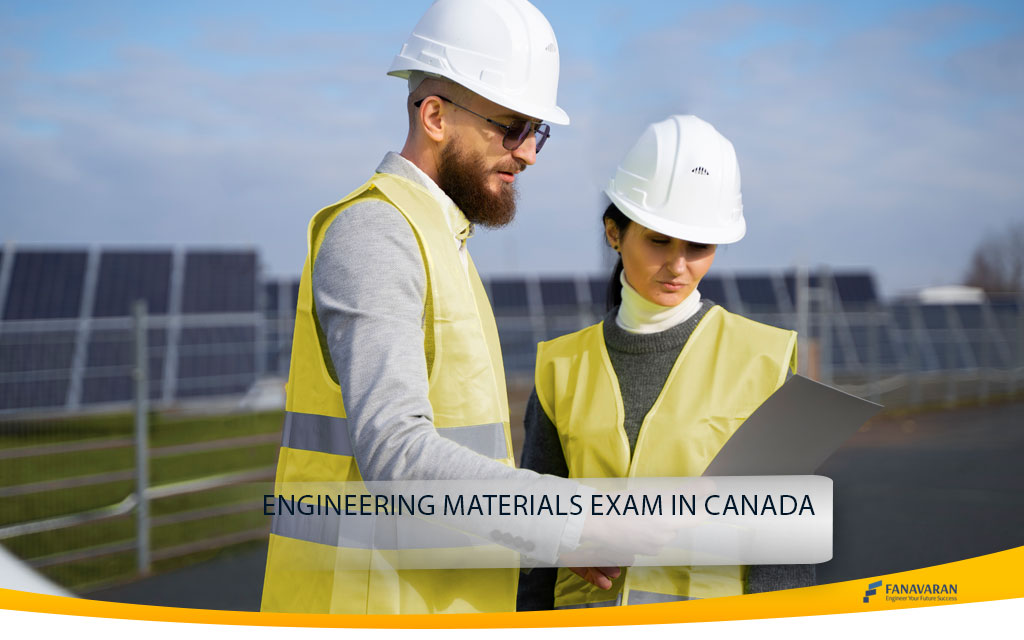
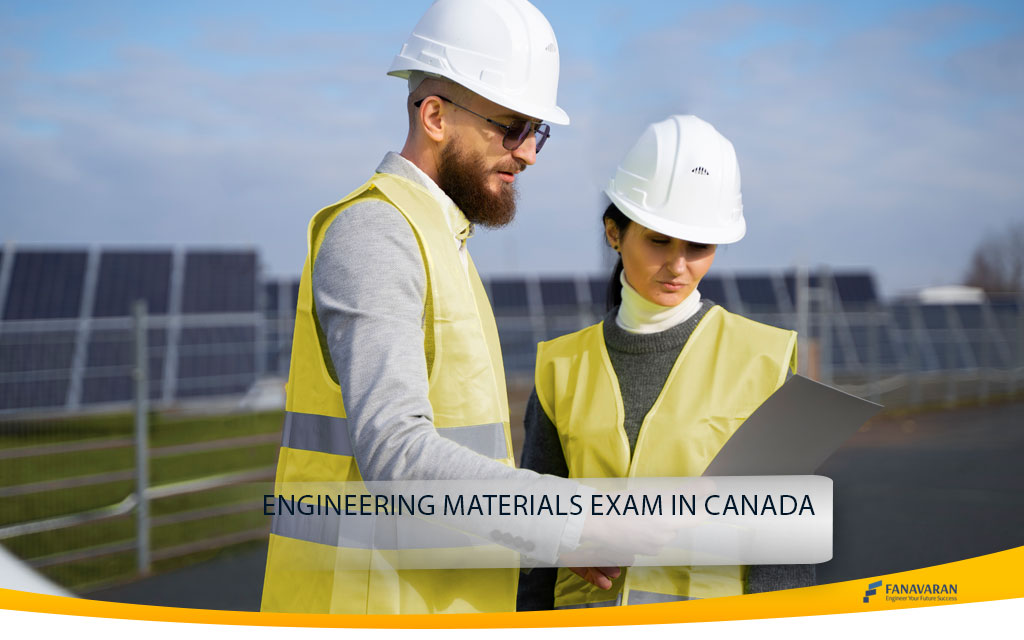
In Canada, the Engineering Materials exam falls under the scrutiny of regulatory institutions like the Professional Engineers Ontario (PEO). The exam is often attributed to internationally trained engineers with the intent of evaluating their understanding of fundamental material science concepts: metals, ceramics, polymers, and composites. This exam is important in determining whether an applicant has the appropriate technical knowledge and skills required for practicing engineering in Canada.
Who Takes This Exam?
Internationally educated engineers applying for a license in Canada undergo an assessment of their academic and professional history and might be assigned a set of technical exams. The Engineering Materials exam is a common requirement for candidates whose undergraduate programs are deemed insufficient by Canadian academic standards. Passing this exam demonstrates compliance with Canadian standards for fundamental technical proficiency.
Exam Structure and Content
Usually, the Engineering Materials exam combines theory and practice, and is delivered in a closed-book format. Among the exam constituents are:
Atomic models and types of bonding
Defects and crystal structures.
Mechanical characteristics of materials.
Heat treatment and phase diagrams.
Fracture, fatigue, corrosion.
Non-metallic and composite materials.
The examinations are often administered by the engineering provincial regulatory body, and test both the breadth and the depth of knowledge.
How to Prepare for the Engineering Materials Exam
A candidate seeking to pass the Engineering Materials exam must be had and well-detailed preparation. Starting properly, as early as the three to six month mark before the exam date, is encourgaged with devising an appropriate timetable that covers al topics of concern systematically. Regular reviews of undergraduate textbooks and solving sample problems always contributes to success. Also, practicing exam in a timed setting helps curb anxiety and enhances performance.
Fanavaran Canada offers specialized training programs that incorporate courses like Engineering Materials for engineers undertaking PEO technical examinations. These programs consist of English and Persian classes alongside weekly lessons catered to exam outlines, practice exams with instructor critiques, and small classes for better student-instructor interaction. Through this environment, engineers learn to be confident while mastering complex concepts of material science.
Comparison of Self-Study vs. Fanavaran Canada Prep Course
Feature
Self-Study Only
Fanavaran Canada Course
Study Materials
Dependent on individual resources
Curated and syllabus-aligned
Instructor Guidance
None
Expert instructors with PEO focus
Practice Exams
Limited or none
Structured and timed
Language Support
English only
English and Persian
Personalized Feedback
Not available
Provided after mock tests
Time Management Support
Challenging
Weekly schedules and reminders
What Happens After You Pass?
After successfully passing the Engineering Materials exam and completing all the assigned technical exams, you progress within the licensure process. This involves taking the Professional Practice Examination (PPE) alongside a review of engineering work experience, after which, successful candidates are awarded the Professional Engineer (P.Eng.) designation. This process at each stage confirms your readiness as a licensed engineer to work in Canada and enhances your professional profile in the employment market.
Last Considerations
For internationally trained engineers, the Engineering Materials exam is a pivotal milestone on the journey to obtaining licensure in Canada. It checks your technical skills and also proves your effort in trying to align with the engineering principles in Canada. Through proper preparation—either by reliable self-study or enrolled in a prep course offered by Fanavaran Canada—one can approach the exam with confidence and advance toward their professional engineering aspirations.
