PMP exam prep in Persian, with the only Persian-language PMI Authorized Training Partner
For Persian speakers in Canada and the USA: live online classes taught in Farsi with the exam’s English terminology, aligned with PMBOK 8, and support until you pass.
The PMP is the most important and best-known project management certification in the world, held today by 1.7 million people. It is issued by the Project Management Institute (PMI). To earn it, you need the required education and professional experience, an approved application to sit the exam, and a pass on the PMP exam.
Who is the PMP for?
For many management positions, holding the PMP can be a real plus and a major competitive advantage.
Job group
What the PMP does for you
Project managers
Building leadership skills and managing complex projects
Project planning and control specialists
Getting ready to move from a specialist role into management
Civil, mechanical, electrical and industrial engineers
Moving from technical responsibilities into project management
Construction managers and contractors
Managing cost, schedule, contracts and risk
IT and software project managers
Managing teams, stakeholders, and Agile and Hybrid projects
PMO specialists and managers
Standardizing, overseeing and improving project performance
Operations and production managers
Managing development and organizational improvement initiatives
Consultants and business owners
Managing client projects, business growth and transformation
+1,700,000
people worldwide hold the PMP
To be approved for the exam, you need three things:
01A bachelor’s degree or higher
023 years of project management experience
0335 hours of formal project management training
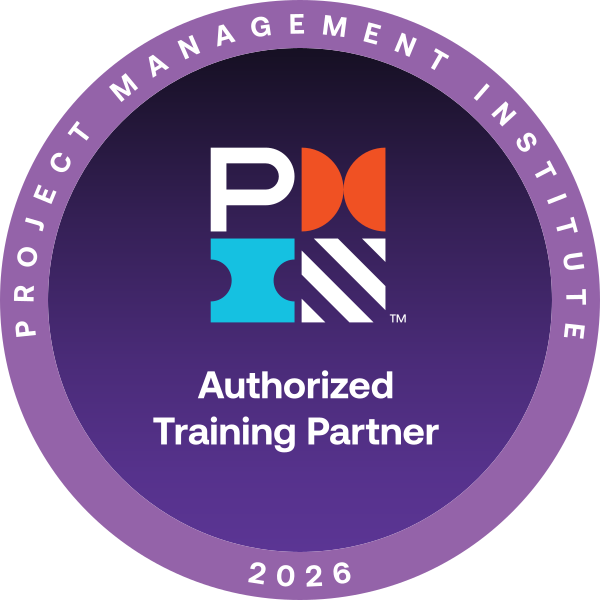
PMI Authorized Training Partner
Fanavaran: the only Persian-language training partner authorized by the Project Management Institute (PMI) in the world
Fanavaran is the only provider approved by PMI to teach in Persian, with instructors certified by PMI.
The only Persian-language ATP, with offices in Canada, the USA and Iran: PMP training in Persian, built on PMI’s official standards and materials.
Fanavaran is the only Persian-language center officially approved by PMI to teach the PMP course live.
From December 1, 2026, only PMI-approved providers may run the required “Project Management – PMP” training and issue the course-completion certificate needed to sit the PMP exam.
Before you sign up for any PMP course, check these three things:
Fanavaran in PMI’s official directory, filtered by the Farsi language
Why Fanavaran’s PMP course?
Fanavaran’s PMP course is not just exam prep: it is a complete grounding in project management, built on today’s global standards and the instructor’s own experience in Canada and the USA.
Knowledge you will use in the exam, in job interviews and as your career moves forward.
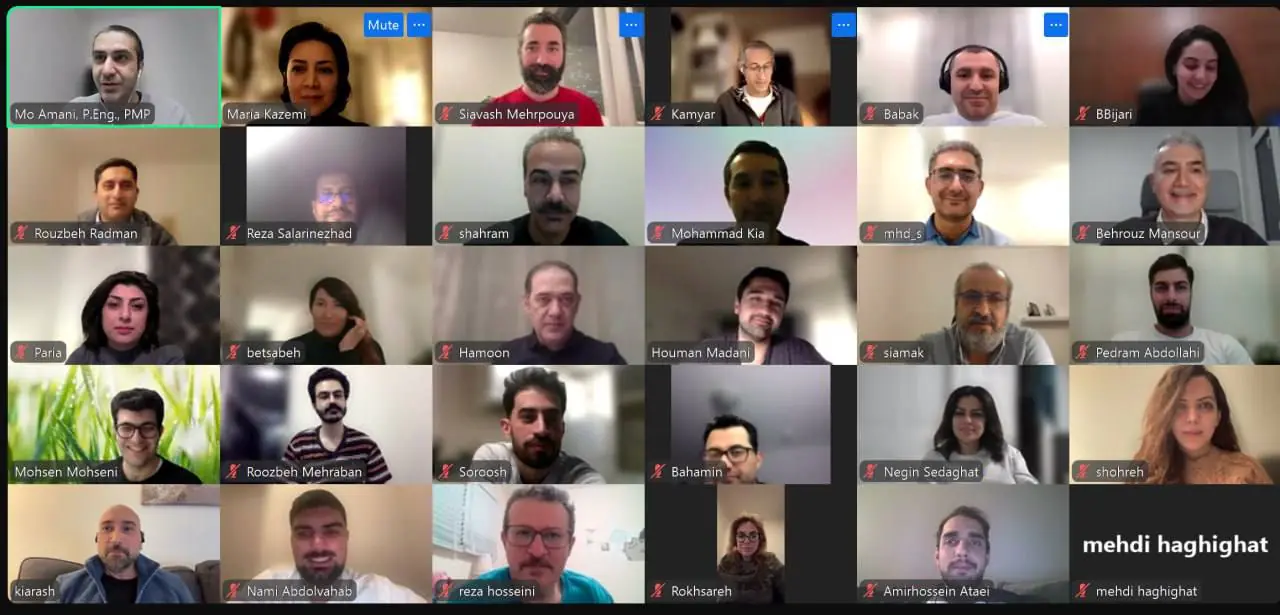
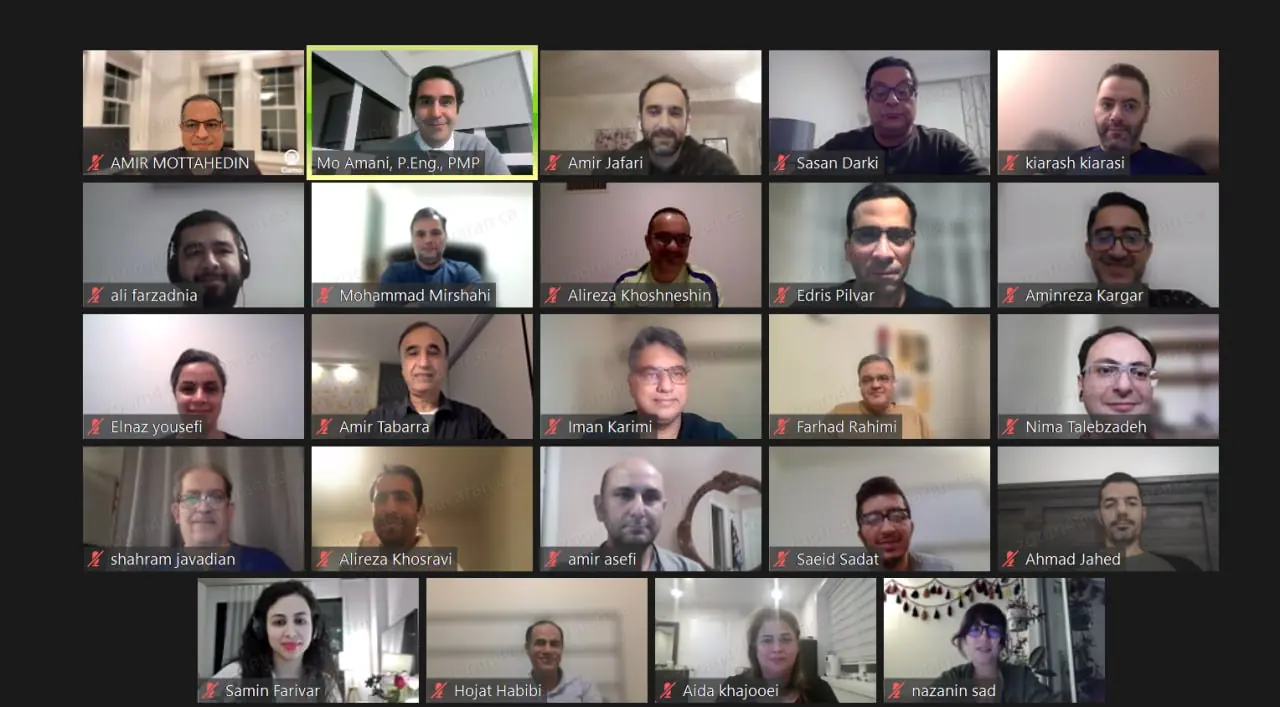
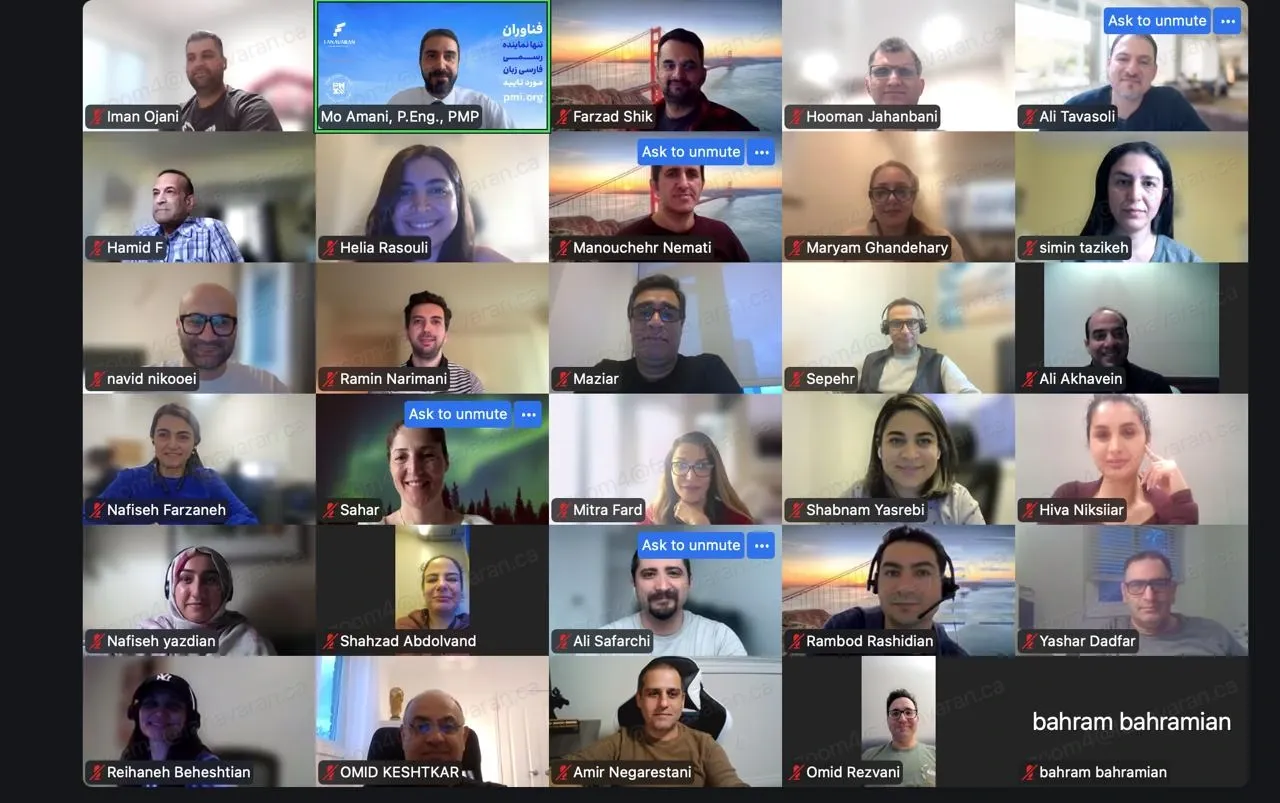
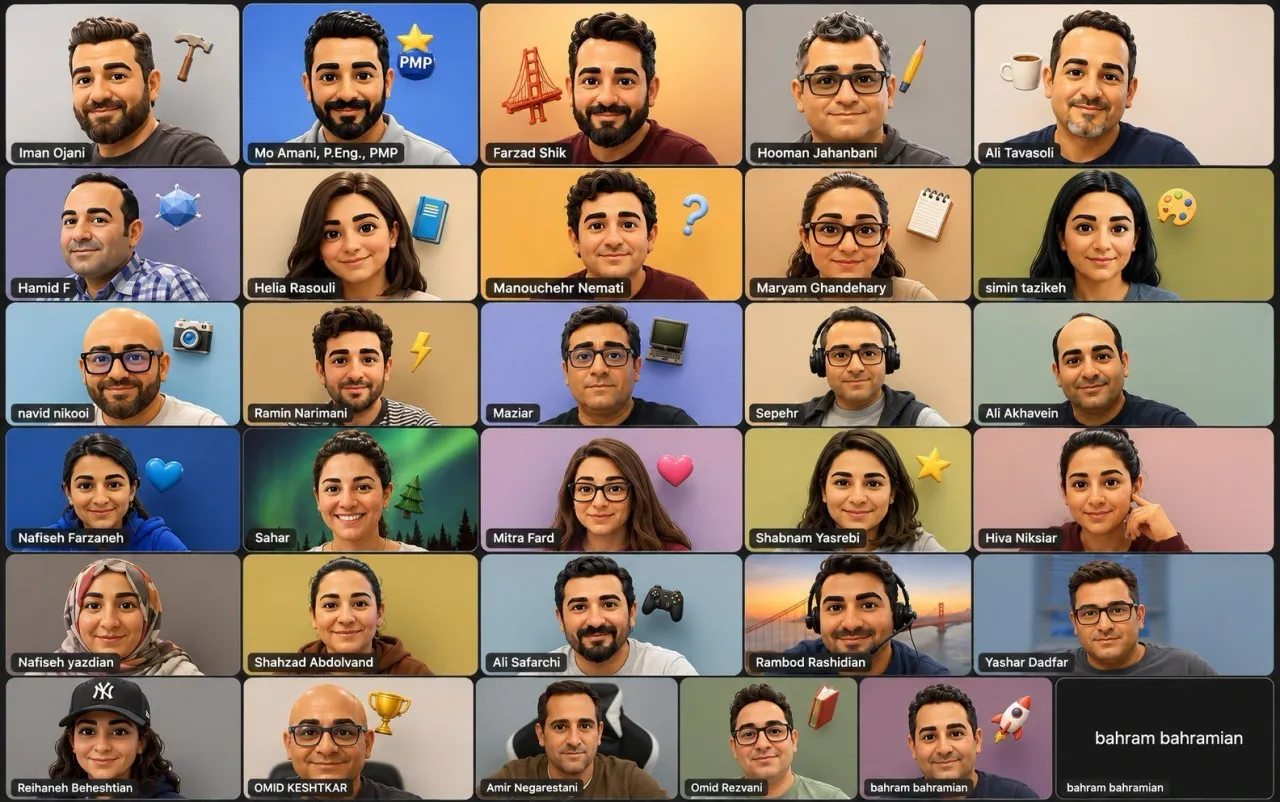
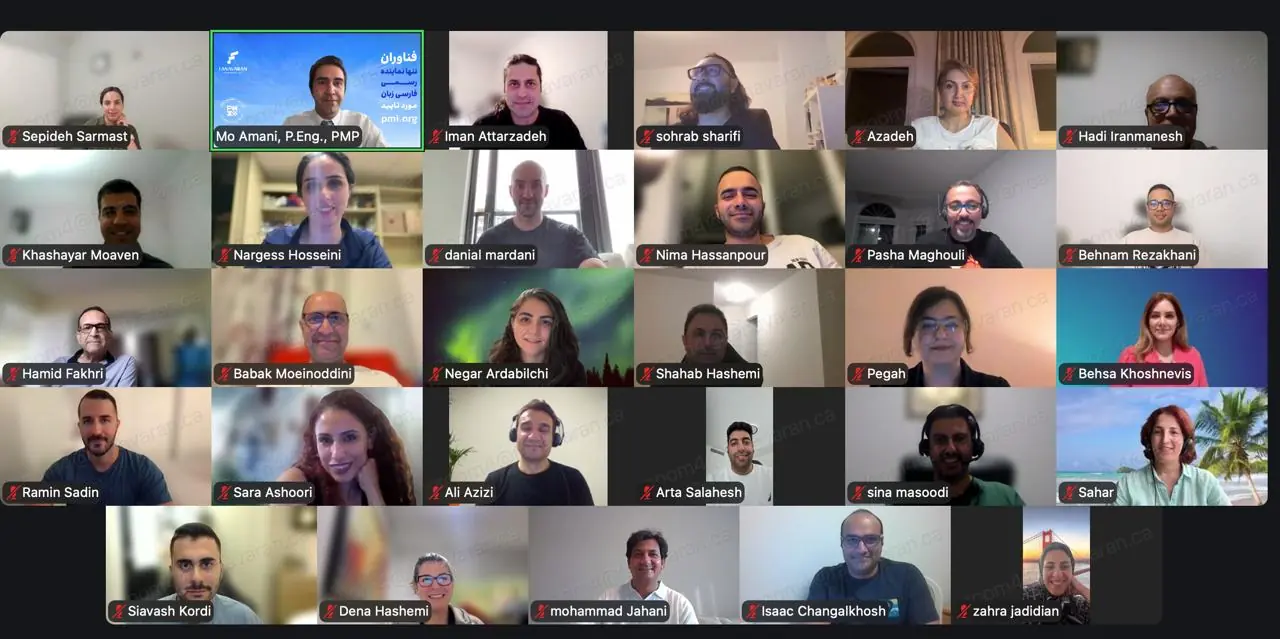
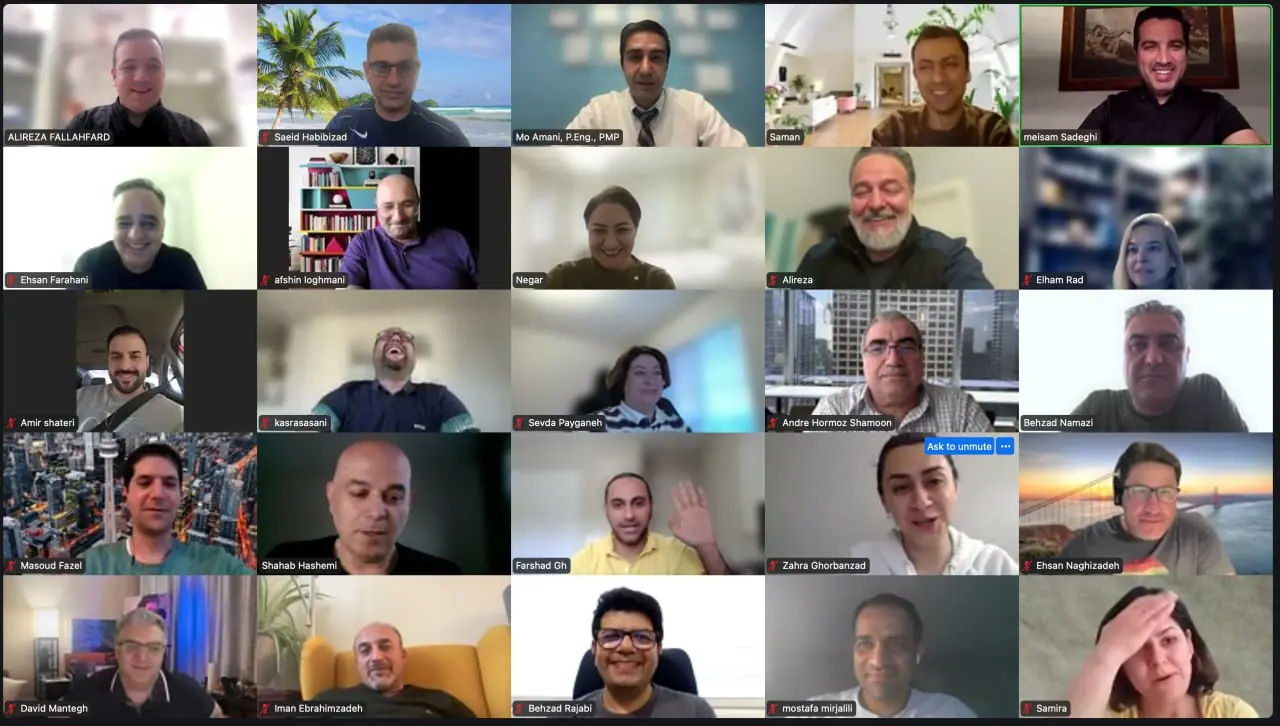
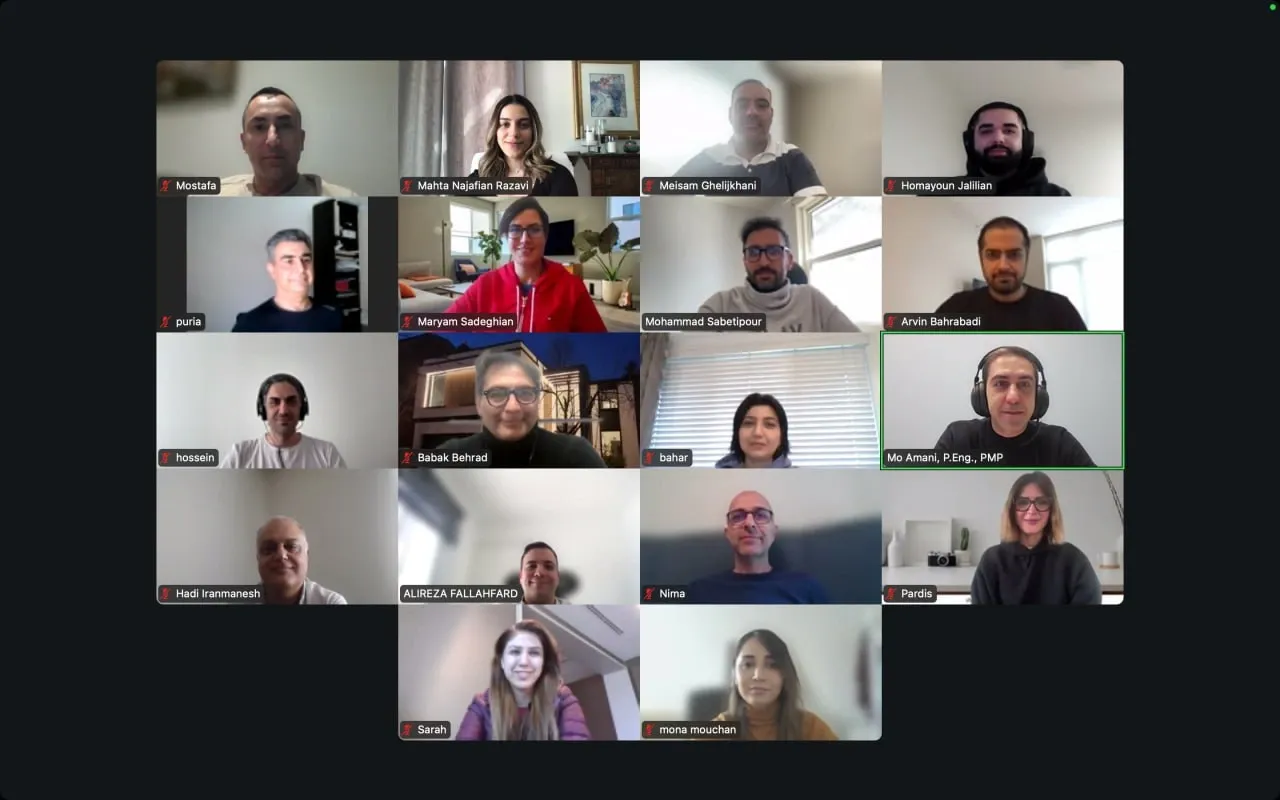
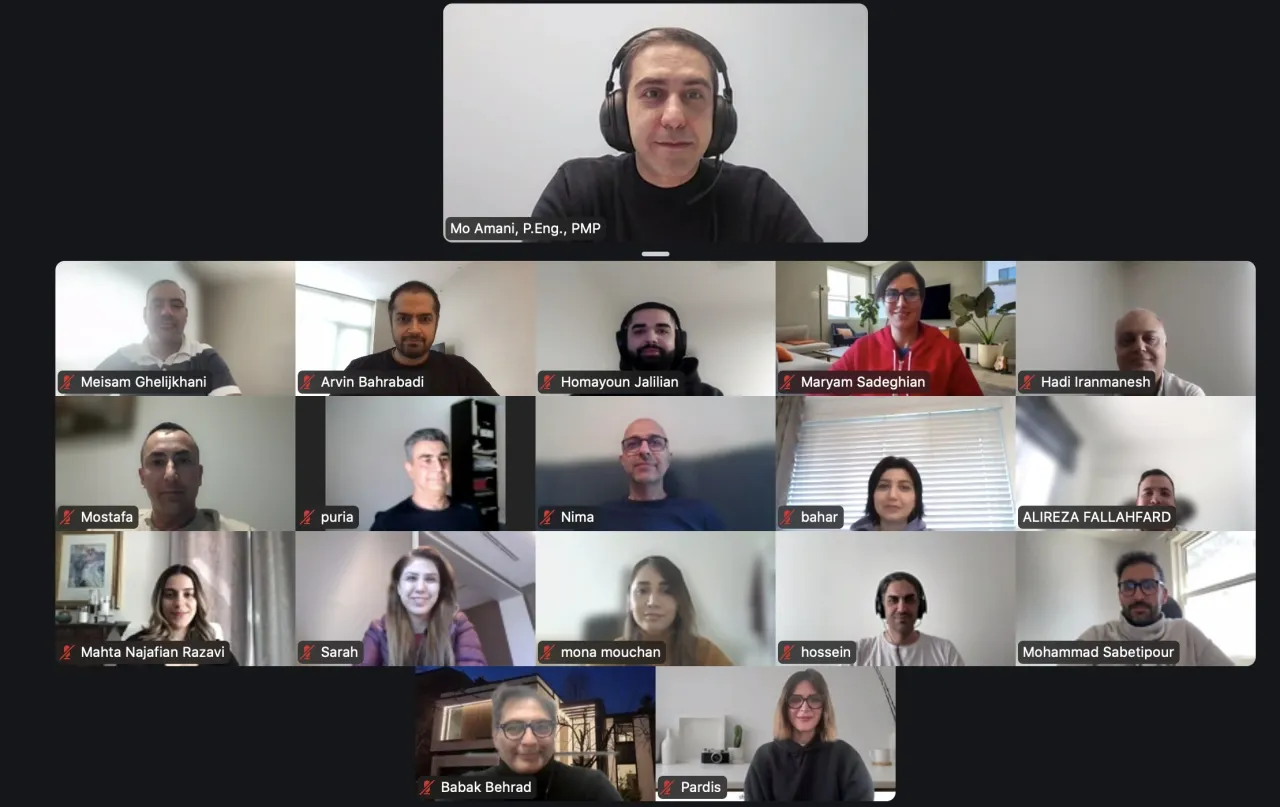
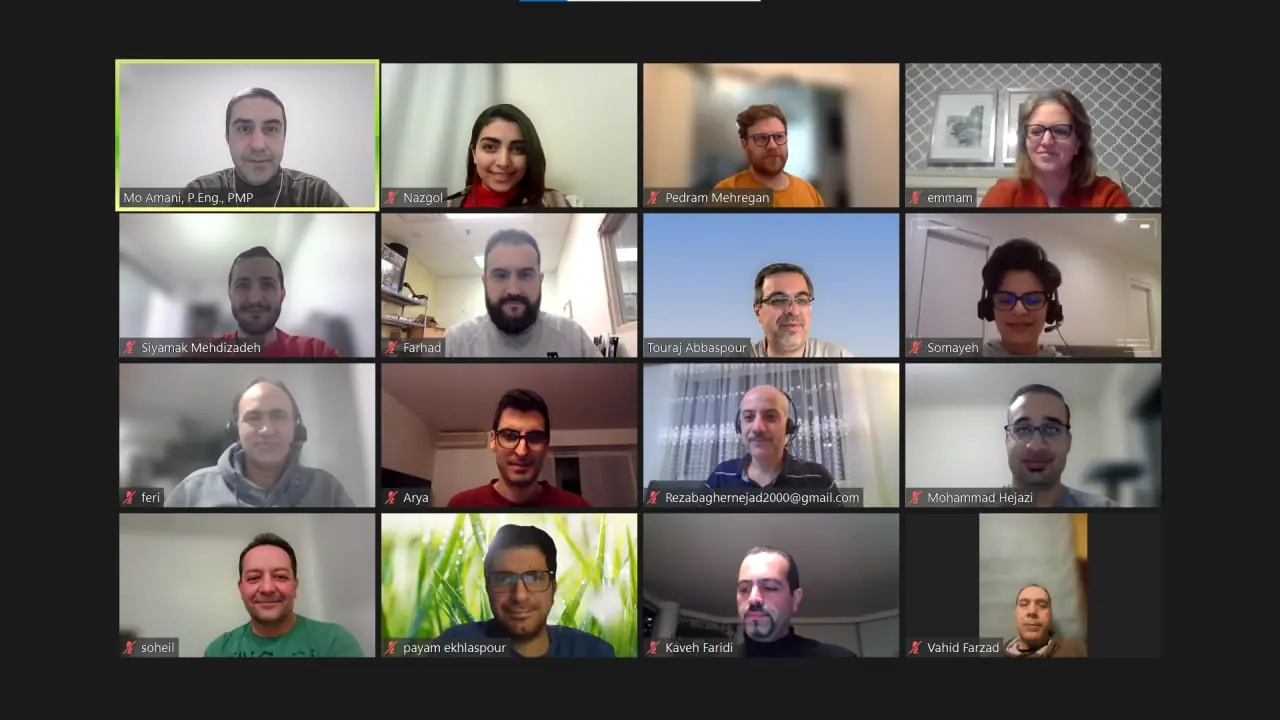
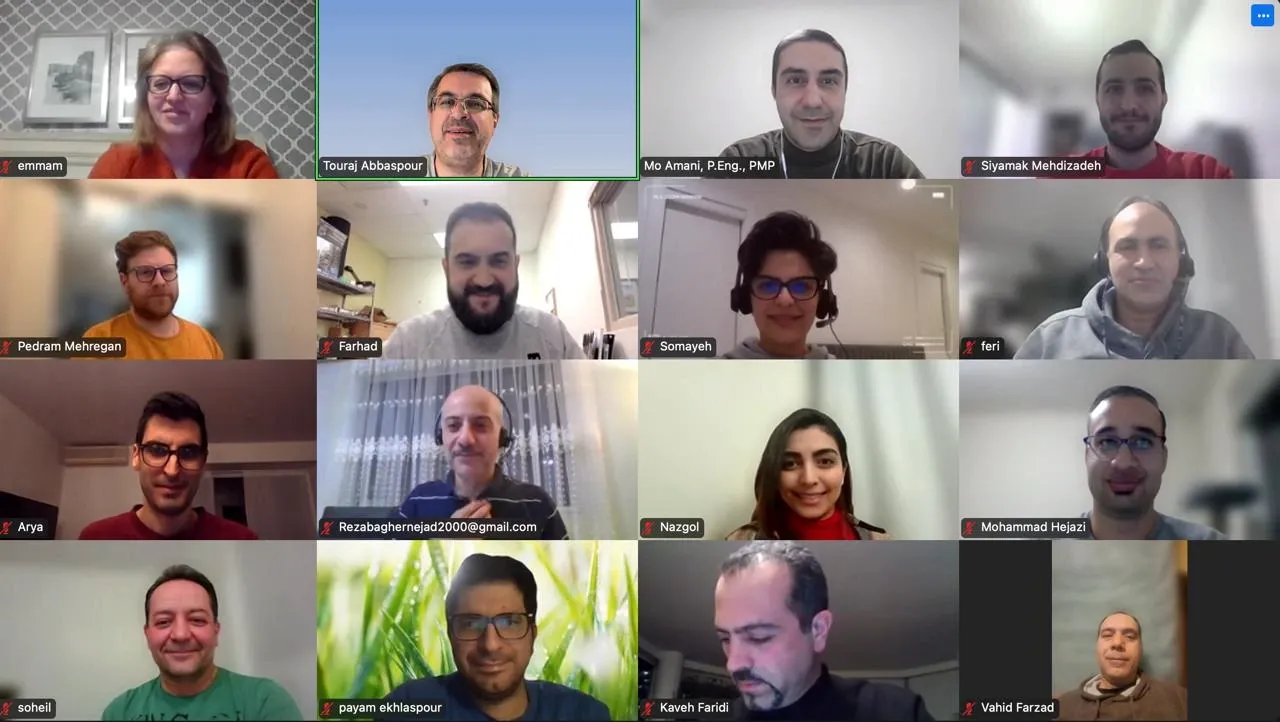
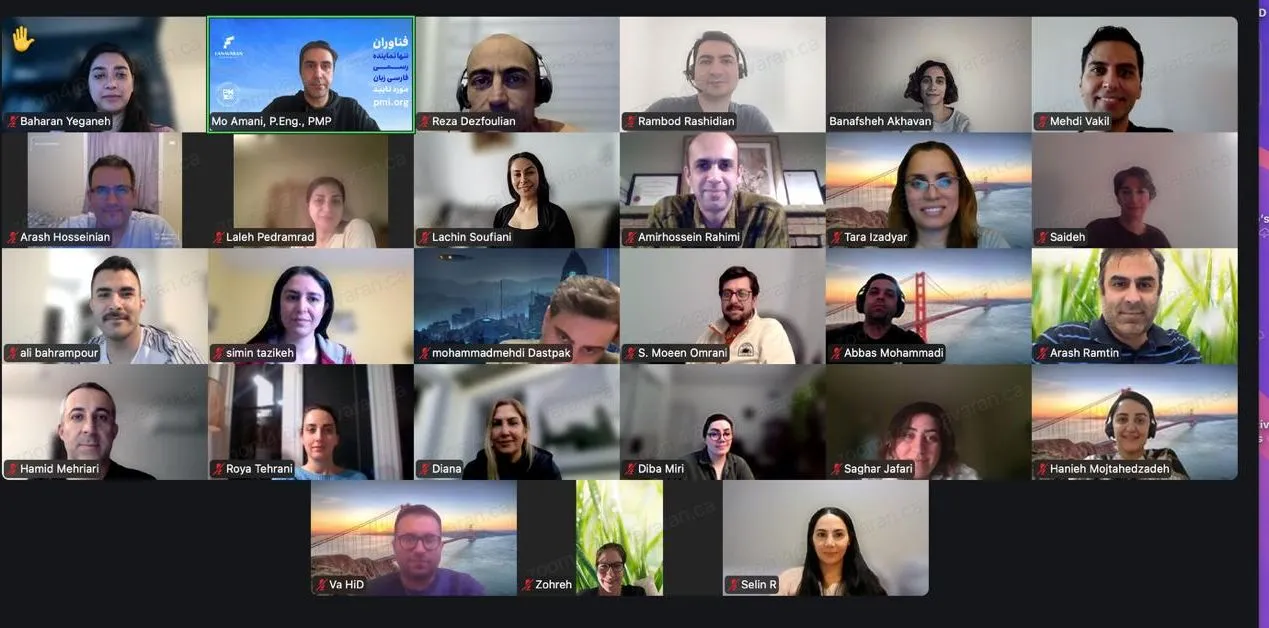
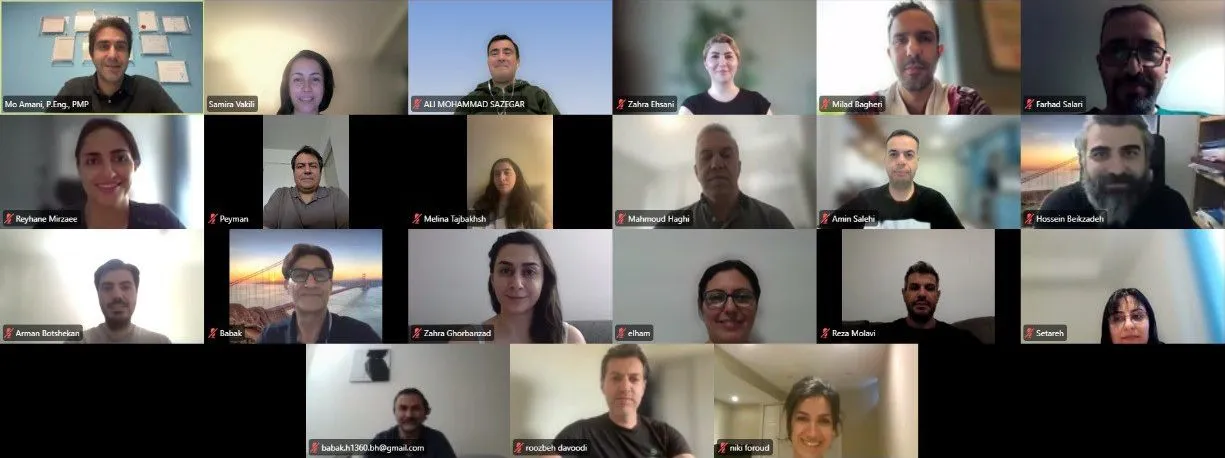
Live PMP classes12 photos from real Fanavaran classes
Photo 1 of 12
Learn project management from experienced international project managers
Alongside PMP exam prep — practice with more than 1,000 standard questions, full mock exams and guidance on getting your exam application approved — Fanavaran’s project management course passes on real project management literacy and the way a project manager thinks.
In class you learn the concepts and the vocabulary, and real examples from projects in North America give you a full understanding of project management.
You can ask questions and get answers throughout, and the course keeps a regular, useful conversation going from start to finish.
A track record that speaks
Behind the PMP journey, years of experience
Pass rate
90%
of the participants in Fanavaran’s courses passed the PMP exam on their first attempt.
PMP-certified
1,500+
people around the world earned their PMP with Fanavaran.
Courses run
30+
successful PMP training and exam-prep courses.
Guidance on your PMI application and exam booking
Offices in Canada, the USA and Iran
Access to official PMI Study Hall questions
At a glance
Fanavaran’s PMP course at a glance
Provider
Fanavaran, an official PMI Authorized Training Partner (ATP)
Language
Persian (Farsi), with the exam’s English terminology
Format
Live, interactive online classes
Length
38 hours of training (covers the 35 hours PMI requires)
The core concepts of project management, the PMBOK 8 framework, organizational structures, the principles of project management and the different development approaches.
Module 01Project management foundations and framework
Project Management Fundamentals & PMBOK 8
Project Life Cycle & Development Approaches
Predictive, Adaptive & Hybrid
Organizational Structures, PMO, EEF & OPA
Project, Program & Portfolio
PM Principles, Business Case & Value Delivery
Project Manager Mindset & Tailoring
Module
Project integration management, defining the scope, collecting requirements, and planning and controlling the project schedule.
Planning and controlling costs, quality management, measuring project performance, and managing people and the project team.
Module 03Cost, quality and resources
Project Cost Management & Budgeting
Cost Estimation, Cost Baseline & Reserves
Earned Value Management (EVM)
PV, EV, AC, CPI & SPI
Quality Planning, QA, QC & Cost of Quality
Resource Planning & Responsibility Assignment
Team Leadership, Motivation & Conflict Management
Module
Project communications, identifying and analyzing stakeholders, managing expectations, and the communication and leadership skills a project needs.
Module 04Communications and stakeholders
Project Communications Management
Communication Methods, Channels & Planning
Active Listening & Emotional Intelligence
Stakeholder Identification & Analysis
Stakeholder Register & Engagement Planning
Power–Interest Grid & Expectations Management
Team Collaboration & Professional Ethics
Module
Identifying and analyzing risks, managing uncertainty, planning risk responses, and managing contracts and procurement.
Module 05Risk, uncertainty and procurement
Project Risk & Uncertainty Management
Risk vs Issue, Threats & Opportunities
Qualitative & Quantitative Risk Analysis
Risk Register, Responses & Contingency Plans
Project Procurement Management & Make-or-Buy
RFP, RFQ, IFB & Seller Selection
Fixed-Price, Cost-Reimbursable & T&M Contracts
Module
Agile principles, hybrid approaches, the Scrum and Kanban frameworks and managing projects under high uncertainty — then scenario-based questions and full mock exams (Mock Exams) to get you ready for the PMP exam.
Module 06Agile, hybrid and PMP exam prep
Agile Manifesto, Values & Principles
Scrum Framework, Roles & Events
Kanban, Flow Metrics & Continuous Improvement
Product Backlog, User Stories & Sprint Planning
Velocity, Relative Estimation & Retrospectives
Hybrid Approaches & Adaptive Change Management
PMP Scenario-Based Questions & Mock Exams
Session-by-session plan
Every session comes with assignments and practice questions on its topic
Session 0Introduction
Welcome to the PMP exam prep course
Before the technical topics begin, the introductory session lets participants meet the instructor and each other. It presents the course goals, how the sessions are organized, the study materials, the PMP exam requirements, how to study and how to use the supporting content, and it answers first questions, so everyone starts with a clear picture of the road ahead. This session is the course’s introduction and is held apart from the formal training hours.
Session 1Part 1
Project Management Fundamentals, Framework & Development Approaches
This part introduces the basic concepts of project management and the PMBOK 8 standard framework: what a project is, how projects differ from operations, value delivery, types of projects, the project life cycle and the Focus Areas. Participants learn the Predictive, Adaptive and Hybrid approaches and the difference between Incremental and Iterative delivery, and how to match the delivery approach to the level of uncertainty and the nature of the work.
AssignmentsRead and summarize the Fundamentals and Framework topics, compare the development approaches, answer the related questions and review the explained answers.
This part looks at the project’s organizational environment and the factors that shape the project manager’s authority and performance. It introduces stakeholders, projects, programs and portfolios, the role of the PMO, Enterprise Environmental Factors (EEF) and Organizational Process Assets (OPA). It then compares Functional, Matrix and Projectized structures and the project manager’s level of authority in each, together with professional-ethics scenarios.
AssignmentsCompare the organizational structures, analyze professional-ethics examples, review EEF and OPA and work through scenario-based questions.
Session 3Part 3
Project Management Principles, Business Value & PM Mindset
This part covers the management mindset and the decision principles of PMBOK 8: the difference between output, outcome and benefit, feasibility studies, the business case, the benefits management plan and value delivery, alongside systems thinking, accountability and tailoring. Participants learn that a project’s success is not limited to delivering an output: it has to create real results and benefits for its stakeholders.
AssignmentsReview the business case and the benefits management plan, analyze value-delivery examples and answer conceptual project management questions.
Session 4Part 4
Project Integration Management
This part teaches project integration management and the project manager’s responsibility for coordinating every other area: developing the project charter and the project management plan, directing the work, managing knowledge, monitoring performance, integrated change control and closing the project or phase. It also explains the role of change requests, the change control board and lessons learned in decision-making and in closing a project in good order.
AssignmentsPractice writing a project charter, analyze a change request, review the change log and solve Integration Management questions.
Session 5Part 5
Project Scope & Requirements Management
This part compares project scope with product scope and shows how requirements turn into deliverables. It teaches collecting and prioritizing requirements, defining the scope, the scope statement, the WBS, work packages and planning packages, then the scope baseline, Validate Scope, Control Scope and the danger of scope creep, with practical examples.
AssignmentsPractice building a WBS, separate requirements from scope, analyze scope-creep scenarios and solve the related questions.
Session 6Part 6
Project Schedule Management
This part covers planning and controlling project time, from defining activities and milestones to building the schedule baseline: sequencing activities, logical relationships and dependencies, estimating durations and the Critical Path Method (CPM). Participants also learn float, schedule compression, tracking progress and analyzing schedule variances.
AssignmentsDraw an activity network, practice finding the critical path and the float, review delay scenarios and solve scheduling questions.
Session 7Part 7
Project Cost Management
This part covers planning a project’s financial resources, estimating costs, setting the budget and controlling costs. It explains funding versus budgeting, the estimating methods, the cost baseline and the management reserve. Earned Value Management (PV, EV, AC, CPI and SPI) is then practiced with worked numbers to assess the project’s cost and schedule performance.
AssignmentsPractice EVM calculations and interpret the indices, review the parts of a budget and solve numeric Cost Management questions.
Session 8Part 8
Project Quality Management
This part treats quality as the ability to meet requirements and create value. Participants learn quality planning, metrics and KPIs, the difference between accuracy and precision, the cost of quality and the methods of quality assurance and quality control, together with quality assessment tools, root-cause analysis, problem solving and continuous improvement.
AssignmentsCompare QA and QC, analyze quality and KPI examples, review the problem-solving tools and answer this part’s questions.
Session 9Part 9
Project Resource & Team Management
This part covers planning, estimating, acquiring and managing the project’s human and physical resources. Participants learn the difference between Responsible and Accountable, managing self-organizing teams, the functional manager’s role, leadership, emotional intelligence, motivation and recognition, and team development — with the emphasis on PMBOK 8’s people-centred approach and on creating the conditions for effective collaboration.
AssignmentsReview roles and responsibilities, analyze team conflict and motivation, practice leadership scenarios and solve Resource Management questions.
Session 10Part 10
Project Communication Management
This part shows why effective communication decides a project’s success and the project manager’s role in sharing information, active listening and managing expectations. It covers communication methods and channels, choosing the right one for each audience, the communications management plan, communication barriers, emotional intelligence and sensitivity to the organization’s politics, and participants practice handling ambiguity and misunderstanding in real situations.
AssignmentsPractice choosing a communication method for different scenarios, review the communications plan and solve project communications questions.
Session 11Part 11
Project Risk & Uncertainty Management
This part teaches risk and uncertainty management within the PMBOK 8 framework: risk versus issue, threats and opportunities, risk appetite and thresholds, identifying risks and analyzing them qualitatively and quantitatively. It then covers the probability and impact matrix, suitable responses to threats and opportunities, contingency plans, managing residual risks and monitoring risks, with practical examples.
AssignmentsBuild a sample risk register, assess probability and impact, choose suitable responses and solve scenario-based risk questions.
Session 12Part 12
Project Procurement Management
This part covers sourcing the goods and services a project needs from outside: the make-or-buy decision, procurement requirements, RFP, RFQ and IFB documents, evaluating and selecting sellers, and Fixed-Price, Cost-Reimbursable and Time & Material contracts. It also covers negotiation, contractual obligations, monitoring supplier performance and handling disputes.
AssignmentsCompare the contract types, analyze a make-or-buy decision, review solicitation documents and solve Procurement Management questions.
Session 13Part 13
Project Stakeholder Management
This part covers identifying and managing stakeholders and their role in a project’s success. Participants learn the kinds of stakeholders, their attitudes and their support or resistance, ways to classify and analyze them, the stakeholder register and stakeholder engagement planning, along with ways to increase engagement, handle conflicts of interest and monitor how well engagement works while the project runs.
AssignmentsIdentify the stakeholders of a sample project, practice power–interest analysis, design an engagement strategy and solve the related questions.
BonusPart 14 · Bonus sessions
Agile & Adaptive Project Management
This bonus part goes deep into managing projects in agile, high-uncertainty environments: the foundations, values and principles of Agile, self-organizing teams, Scrum and Kanban, the product backlog, user stories, sprint planning, reviews and retrospectives, relative estimation, velocity and flow metrics. It then reviews managing change in Agile, working with stakeholders, hybrid approaches, continuous improvement and exam scenarios that compare Agile with Predictive.
AssignmentsStudy the Agile handout, practice backlogs and user stories, analyze Scrum and Kanban scenarios, watch the bonus videos and solve specialized Agile questions.
What you leave with
By the end of the course you will have
Structured preparation for the PMP exam
The ability to analyze exam scenarios
A practical understanding of project management
A clear path through the application and the exam
Your instructor
Learn the PMP the practical way with Mohammad Amani
Mohammad Amani is a licensed professional engineer in Canada who has worked on some of Canada’s largest infrastructure projects. A look at some of his biggest engineering and project management experience:
Work history
Lead Mechanical Engineer and Portfolio Manager
SNC-Lavalin
Cinnos Mission Critical Inc.
Enerca Ltd.
Some of the major projects
30 Victoria Street, Gatineau
15–25 Eddy, Gatineau
Rogers Communications Data Centers
Energy Modeling and Energy Efficiency Optimization, Halifax Public Library
من هر دو گواهینامه CAPM و PMP خود را با کمک موسسه Fannoveran دریافت کردم و از تجربهام بسیار راضی هستم.
آنها یک وبسایت جامع و برنامههای آموزشی ارائه میدهند که به خوبی با کلاسهای آنلاینشان ادغام شدهاند و دائماً در حال بهبود هستند. خدمات مشتری آنها نیز واقعاً استثنایی است.
البته هیچ چیز ۱۰۰٪ بینقص نیست، اما کیفیت خدمات و پشتیبانی که دریافت کردم فراتر از چیزی بود که برای آمادگی موفقیتآمیز و قبولی در هر دو آزمون نیاز داشتم.
من موسسه Fanavaran را به هر کسی که برای گواهینامه CAPM یا PMP خود آماده میشود، اکیداً توصیه میکنم!
BRBehnam R.Class June 29, 2026”
Course participant
من تجربه خیلی خوبی با فناوران داشتهام. محمد مفاهیم PMP را به روشنی توضیح میدهد و همیشه حامی و مشتاق کمک است. او واقعاً به موفقیت دانشآموزانش اهمیت میدهد و فراتر از توانش برای کمک به آنها تلاش میکند.
ZGZohreh G.”
Course participant
درود به مجموعه فناوران به ویژه جناب امانی عزیز
من از این دوره واقعا لذت بردم و باید تقدیر کنم از بیان شیوا و تدریس استادانه جناب امانی که در طول دوره با انرژی و دلسوزانه کلاس را هدایت میکردند و ضمنا از امکانات بسیار متنوع کمک آموزشی که در اختیار ما قرار داده شد از جمله انواع تست و امکان دسترسی به ویدئو کلاس ها و بازتاب نظر کسانی که قبلا آزمون داده بودند. در واقع همه امکانات برای موفقیت در آزمون در این دوره وجود داشت. برای مجموعه فناوران آرزوی سلامتی و موفقیت روزافزون دارم
MJMohammad J.”
Course participant
این review را خیلی جدی مینویسم چون فکر میکنم کسانی که قصد دارند به این مؤسسه پول پرداخت کنند، باید قبل از هر تصمیمی تصویر بسیار متفاوتی از چیزی که در تبلیغات میبینند داشته باشند.
متأسفانه ما ایرانیها گاهی وقتی کسی با ظاهر رسمی، کتوشلوار و کراوات، لحن مطمئن و چند اصطلاح انگلیسی درباره «لایسنس»، «بازار کار کانادا»، «افزایش درآمد» و «فرصت شغلی» صحبت میکند، خیلی راحت تصور میکنیم با یک مجموعه معتبر و حرفهای روبهرو هستیم. خواهش من این است که ظاهر حرفهای و نحوه پرزنت کردن را با اعتبار واقعی اشتباه نگیرید.
تجربه و مشاهدات من باعث شده به این نتیجه برسم که اولویت اصلی این مجموعه فروش دوره و گرفتن پول از متقاضی است، نه اینکه فرد بعد از پایان دوره واقعاً چه آیندهای در بازار کار خواهد داشت.
به شما گفته میشود با گرفتن فلان certification یا licence میتوانید موقعیت شغلی بهتری پیدا کنید، درآمدتان را افزایش دهید یا مسیر حرفهایتان را در کانادا متحول کنید. اما چیزی که معمولاً خیلی کمتر درباره آن صحبت میشود این است که در بازار کار کانادا، داشتن یک مدرک بهتنهایی ممکن است تقریباً هیچ مشکلی را حل نکند اگر تجربه کاری واقعی و مرتبط نداشته باشید.
افراد ممکن است ماهها درس بخوانند، تحت فشار قرار بگیرند، چندین بار هزینه پرداخت کنند و در نهایت licence یا certification را هم بگیرند؛ بعد تازه متوجه شوند که کارفرما دنبال سابقه واقعی، تجربه کانادایی، مهارت عملی و شناخت صنعت است. آنجاست که فرد میماند با یک مدرک و مقدار قابلتوجهی هزینهای که پرداخت کرده، اما بدون شغلی که تصور میکرد قرار است پیدا کند.
من بهطور جدی توصیه میکنم هر ادعایی که این مجموعه درباره نمایندگی، partnership، accreditation یا ارتباط با سازمانهای کانادایی یا آمریکایی مطرح میکند، شخصاً از منبع اصلی بررسی کنید.
برای مثال اگر درباره PMP یا PMI ادعایی مطرح میشود، به حرف فروشنده دوره اعتماد نکنید. مستقیم وارد وبسایت رسمی PMI شوید و بررسی کنید آیا نام این مجموعه واقعاً در جایگاهی که ادعا میکند ثبت شده یا خیر. اگر یک مؤسسه واقعاً نماینده رسمی یا شریک مورد تأیید یک سازمان معتبر باشد، باید بتوانید این موضوع را از منبع رسمی و مستقل تأیید کنید، نه فقط از سایت، اینستاگرام یا صحبتهای خود همان مؤسسه.
در مورد job offer، مهاجرت و وعدههای مربوط به ورود به بازار کار کانادا هم باید حتی محتاطتر باشید. اگر کسی بابت job offer، پیدا کردن کار، مهاجرت یا رسیدن به یک نتیجه مشخص از شما پول میگیرد، تمام وعدهها، شرایط و مسئولیتهایشان را کتبی دریافت کنید و مستقلاً بررسی کنید که دقیقاً چه چیزی قرار است در ازای پول شما ارائه شود.
بههیچوجه صرفاً به این دلیل که فردی با اعتمادبهنفس درباره کانادا، licence، certification و job market صحبت میکند، سرمایه و آینده خودتان را به دست او نسپارید.
قبل از پرداخت پول:
اعتبار مؤسسه را مستقلاً بررسی کنید.
نام آن را در سایت سازمانهایی که ادعای همکاری با آنها دارد جستجو کنید.
با فارغالتحصیلان واقعی دوره صحبت کنید، نه فقط افرادی که خود مؤسسه معرفی میکند.
از چند نفر که واقعاً در همان صنعت در کانادا کار میکنند سؤال کنید.
درباره نرخ استخدام بعد از دوره سؤال کنید.
و هر وعدهای درباره شغل، درآمد، licence یا مهاجرت را کتبی بگیرید.
اگر بعد از این بررسیها هنوز همه چیز منطقی و قابل اثبات بود، آن وقت تصمیم بگیرید.
اما لطفاً فقط به خاطر یک presentation حرفهای، چند اصطلاح انگلیسی، وعده درآمد بالاتر و داستانهای موفقیت تبلیغاتی، چند هزار دلار پول پرداخت نکنید.
این review بر اساس تجربه و برداشت شخصی من نوشته شده و هدفم این است که حداقل یک نفر قبل از پرداخت پول، کمی بیشتر تحقیق کند و تصمیمش را با چشم باز بگیرد.
ATAmin T.”
Course participant
من دوره CAPM را در موسسه فناوران گذراندم و از کیفیت آموزش و محتوای دوره بسیار راضی بودم. مطالب به شیوهای سازمانیافته، کاربردی و آسان برای فهم ارائه شد. مدرسان مفاهیم مدیریت پروژه و چارچوب PMBOK را به روشنی و با استفاده از مثالهای مفید توضیح دادند.
یکی از نقاط قوت اصلی این دوره، تمرکز آن بر مباحث مهم و کاربردی برای آمادگی برای آزمون CAPM بود. محیط یادگیری و پشتیبانی ارائه شده توسط تیم نیز بسیار حرفهای و قابل تقدیر بود.
همچنین مایلم صمیمانه از آقای امانی برای این ابتکار ارزشمند در فراهم کردن فرصتهای آموزشی برای مهاجران ایرانی ماهر تشکر کنم. این ابتکار میتواند سهم معناداری در ارتقاء دانش آنها، کمک به آنها برای آشنایی با استانداردهای حرفهای کانادا و حمایت از توسعه حرفهای آنها داشته باشد.
از کل تیم فناوران بسیار سپاسگزارم و برایشان آرزوی موفقیت روزافزون دارم.
MMMorad M.”
Course participant
من دوره PMP خود را در موسسه فناوران گذراندم و مدت کوتاهی پس از اتمام دوره، در اولین تلاشم در آزمون PMP قبول شدم.
من هیچ سابقه قبلی در مدیریت پروژه نداشتم و واقعاً موفقیتم را مدیون موسسه فناوران و آقای محمد امانی هستم. روش تدریس ایشان واضح، کاربردی و آسان بود، حتی برای کسی که کاملاً در این زمینه تازه وارد است.
همچنین من از کیفیت مطالب دوره و پشتیبانی ارائه شده توسط تیم فناوران در طول فرآیند یادگیری بسیار تحت تأثیر قرار گرفتم.
من موسسه فناوران را به هر کسی که برای آزمون PMP آماده میشود، اکیداً توصیه میکنم.
NFNafiseh F.”
Reviews are shown in the language they were written in — most are in Persian, the language the course is taught in.
Start your PMP journey with this course
$1,199CAD
Pay in 3 installments
Live, interactive classes in Persian (Farsi)
38 hours of training (covers the 35 hours PMI requires)
Persian (Farsi). The concepts are explained in Persian, and you learn the exam’s English terminology along the way, in the examples and the practice questions.
Who teaches the PMP course in Persian with PMI’s approval?
Fanavaran. It is the only official PMI training partner (ATP) listed in PMI’s directory for the Persian language. To check, open PMI’s official ATP directory and search for Fanavaran.
Does the course cover the 35 hours of training PMI requires?
Yes. About 38 hours are set aside for teaching the concepts and practicing for the exam.
What changes for live classes after December 1, 2026?
After that date, the hours of live PMP courses have to come from paths PMI approves, such as ATPs. Live online courses are included in this rule, and Fanavaran is the only Persian-language ATP.
Do I need to be an engineer or a project manager to earn the PMP?
No. An engineering degree or the job title “project manager” is not a requirement for every candidate. What matters is your education and your experience leading projects, which can come from many fields.
Is this course only for engineers?
No. It is useful for people working on projects in construction, technology, services and other industries.
Can I apply if my job title is not project manager?
Yes. Your real responsibilities and experience are what count; your education and experience need to be matched against PMI’s requirements.
Is attending the classes enough to pass?
No. Your own study and practice questions are an essential part of the path; the course sets out the materials and the direction for your practice.
Can I see the teaching style before I enroll?
Yes. Watch the first session and get to know Mohammad Amani’s way of teaching. The first sessions are free.
Do you offer support until I pass?
Yes. Until the end of your PMP journey and your certificate, you keep access to the online classes.
How much does the PMP course cost?
The course is priced in Canadian dollars; the current price is shown on this page, and it can also be paid in installments. For the payment details, fill in the free consultation form.
Is the course a good fit if I live in Canada or the USA?
Yes. The classes are live and online, so you can join from anywhere in Canada or the USA; the teaching is in Persian, with examples from projects in North America and around the world.
Do you help with the PMP exam application and booking?
Yes. From recording your experience and preparing your application to booking the exam, Fanavaran is with you, so this step goes smoothly.
What are the requirements for the PMP exam?
Under PMI’s requirements, with a bachelor’s degree you need 36 months of experience leading projects and 35 hours of project management training; with a secondary diploma, 60 months of experience and the same 35 hours. This course covers the 35 hours of training PMI accepts and guides you through recording your experience and preparing your exam application.
What is PMBOK 8, and does the course follow it?
The PMBOK Guide, Eighth Edition, is PMI’s newest guide to project management. The syllabus is built on PMBOK 8 and the Agile Practice Guide, and the practice questions are reviewed with the same structure.
Why take the PMP course with an ATP?
An ATP, or Authorized Training Partner, is a training partner approved by PMI. From December 1, 2026, live PMP training is accepted only from ATPs and PMI’s official paths, and Fanavaran is the only Persian-language ATP in the world.
What is the PMP worth?
The PMP is the best-known international project management certification, issued by PMI and recognized in the job markets of Canada, the USA and the rest of the world: the shared language of project managers across companies and industries.
I failed the exam before. Is this course right for me?
Yes. The course puts particular weight on test-taking skills, analyzing exam questions and covering the Agile and hybrid topics in depth, with mock exams to practice on.
With the Fanavaran app you can reach your courses, live classes and recorded lessons, and follow your learning more easily.
Our team
Meet the Fanavaran team
Serving more than 30,000 engineers and professionals, with an experienced team at your side
With experienced instructors and education and support specialists, Fanavaran works with candidates around the world from its offices in Toronto, Vancouver and Tehran. We are the only Persian-language PMI Authorized Training Partner (ATP), and more than 1,500 people have earned their PMP with us so far.
From your first consultation and a review of where you stand, through live classes, practice with standard questions and booking your exam in the PMI portal, to the day you pass, this team is beside you.
30,000+engineers and professionals served
1,500+PMP-certified graduates
30+PMP courses run
3 officesToronto, Vancouver and Tehran
The complete guide
Everything about the PMP certification and course
About a 7-minute readExam requirements, PMI’s new rule, what the certificate is worth and what the course covers
Fanavaran: the only official, PMI-authorized provider of PMP courses in Persian
The PMP is the leading project management certification in the world, and more than 1.7 million people have earned it. Beyond the professional standing it brings, it shows a project manager’s expertise and level, and proves to an employer how well its holder understands the management side of a project. To earn it, you have to pass the PMP exam.
To be approved to sit the exam, you need three things:
A bachelor’s degree or higher
3 years of project management experience
35 hours of formal project management training
Fanavaran is the only Persian-language center officially approved by PMI to teach the PMP course live.
Why does a provider’s approval (ATP) matter so much?
PMI has announced that from December 1, 2026, the hours of live courses, in person or online, can be used only when the course comes from an eligible provider, such as a PMI Authorized Training Partner (ATP). That is why Fanavaran is the only Persian-language provider able to run this course live for Persian speakers in Canada, the USA and around the world.
To check whether any provider is approved by PMI, look at these three things:
The provider is an ATP, an Authorized Training Partner.
The instructor is approved by PMI and holds its certification.
The instructor is PMI ATP-Certified.
If a provider offering PMP courses is missing any of these three, remember the term Mickey Mouse certificate and don’t trust it.
A “Mickey Mouse certificate” is an informal English expression, not a real credential: a certificate with no serious value or standing. It is very easy to get, no demanding standard stands behind it, and employers and professionals do not take it seriously.
Fanavaran’s project management courses are designed to pass on a project manager’s full knowledge, so participants can work as successful project managers in their own field.
The course instructor, Mohammad Amani, has years of international project management experience and has worked in project management for some of the largest companies in Canada.
Fanavaran is also the only Persian-language organization approved by PMI with full access to the Study Hall questions. This valuable set from PMI’s question bank lets every participant practice with them legally, respecting copyright, and arrive well prepared for the PMP exam.
In short: if you want a PMP that is recognized all over the world, earned through the highest-quality process and strong teaching, Fanavaran is the provider to choose.
More about PMI
The Project Management Institute (PMI) is the organization that issues the PMP certification and publishes the framework of its exam in the Exam Content Outline (ECO). That document sets out the areas candidates are tested on and the kinds of responsibilities they are measured against.
In Fanavaran’s PMP course, project management is taught with the framework and the vocabulary of the field. Why does a shared language matter to a team? When people talk about goals, scope, schedule and expected results in clear terms, coordinating different specialties becomes much easier.
What does the PMP give you?
For many people, this path is a chance to look again at their experience through the shared concepts of project management and to describe their role in projects more precisely.
Preparing for the PMP can help you:
Know the common terms and concepts of project management and use them more precisely at work.
Describe your past experience in terms of a project’s goals, responsibilities and results.
Understand better how scope, time, cost, quality, resources, risk and stakeholders affect each other.
When a problem comes up, compare the facts with the project’s plan or criteria and decide on that basis.
Get to know predictive, agile and hybrid approaches and when each one fits a project.
Who is the PMP for?
The PMP course suits project managers, project coordinators, site managers, engineers and anyone whose work involves planning, coordinating people, making decisions or delivering results. Your degree does not have to be in engineering: projects run in every field, and the PMP can matter for its holders from construction and software development to biotechnology, film-making or starting a business.
The 35 hours of PMP training
The 35 hours of training are the education part of the PMP exam requirements mentioned above. They have to be project management training related to the exam topics.
Fanavaran’s PMP course has 38 hours of training: according to the course plan, about 28 hours of teaching the concepts and about 10 hours of practice and exam questions, in 20 sessions.
How does the PMP exam work in 2026?
The updated PMP exam in 2026 has three main domains. Each domain’s share of the exam questions is:
Share of the PMP exam questions by domain
PMP exam domain
Share of the exam
People
33%
Process
41%
Business Environment
26%
According to the exam outline, about 40% of the questions reflect predictive approaches and about 60% adaptive / Agile and hybrid ones. The new exam also brings topics such as artificial intelligence, sustainability, stakeholder engagement and a project’s effect on the business into its scenarios.
The exam has 180 questions and 240 minutes to answer them. Questions can be scenario-based or ask you to interpret information such as charts, images or project data, and they come in formats such as multiple choice with one or several answers, matching and drop-down lists. Preparing for the PMP therefore depends, beyond knowing the concepts, on reading the question well and choosing the right decision for the project situation.
What do you learn in the PMP course?
In Fanavaran’s PMP course, project management is taught as a connected whole and at a very high level. You learn the main definitions and vocabulary in class, and you learn to see topics such as scope, schedule, cost, quality, resources, communications and risk together.
The course covers PMBOK editions 6, 7 and 8 and the Agile Practice Guide. Predictive and Agile approaches are both studied, and the business side and the use of artificial intelligence in project management are part of the plan too. Teaching starts from the definitions, continues with examples and scenarios, and goes on to practice and question analysis.
How is an ordinary PMP course different from a PMI ATP course?
ATP stands for Authorized Training Partner: a training partner approved by PMI.
PMI reviews and approves ATP providers to deliver official, instructor-led training. ATP courses are built on PMI’s authorized course content and its requirements for instructor qualifications and the participants’ learning experience. Other courses may also teach project management; for live classes, the important difference is whether the provider is approved and whether the training hours are accepted under PMI’s policies. As mentioned, this difference matters more for live courses from December 1, 2026:
PMI has announced that after this date, the hours of live PMP courses have to come through ATPs. That is exactly what makes Fanavaran different!
Fanavaran is the only official PMI training partner in the Persian language in the world.
That lets Persian speakers take a live, interactive PMP course in Persian from an ATP. To check Fanavaran’s status, open PMI’s official directory and search for Fanavaran.
$1,199 CADSupport until you pass · Pay in 3 installments